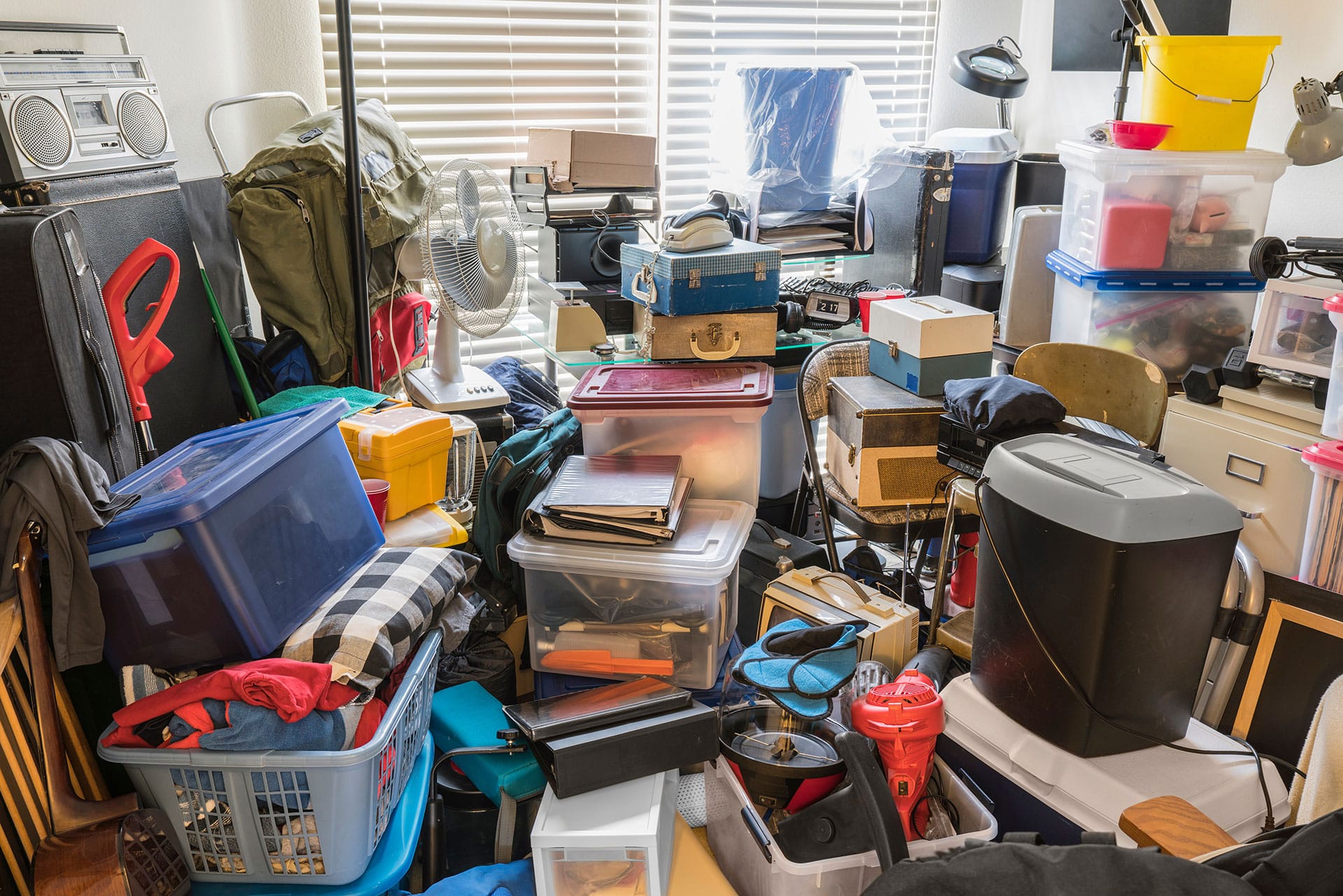
When you finally decide to clear out the basement, attic, garage, or that “catch-all” spare bedroom, the first burst of motivation is often followed by a much more practical question: what do you actually do with all of it?
Most homeowners in Iowa would rather reuse, donate, repair, or repurpose what they can. But at some point, the clutter becomes too large, too heavy, or too awkward for the weekly trash bin.
If you’re searching for junk removal Des Moines residents can count on, you’re probably dealing with more than a “just few bags of household trash.” You may be staring at old furniture, broken appliances, worn-out mattresses, boxes from years of storage, or bulky items you’re not sure how to dispose of properly.
Understanding what a local crew can and can’t take helps you learn what can be hauled away safely, what requires special handling, and how to get the best value from the service.
The “Heavy” Items
In many Des Moines homes—especially those charming older builds in Beaverdale or the South Side—getting large items out can be a puzzle. Professional junk removal teams specialize in the “big stuff” that would otherwise require you to rent a trailer or bribe friends with pizza.
Awkward, Bulky Furniture
Standard city trash services often have strict limits on “bulky items.” A junk removal service, however, treats furniture differently. Whether it’s a sectional sofa that’s seen better days or a massive oak dining table, these items are often destined for more than just a landfill.
High-quality services in the area often partner with local donation centers. When you hire a crew, you aren’t just tossing a chair—you’re actually giving it a second life elsewhere in the community.
Large Appliances
Old refrigerators, freezers, and air conditioning units are tricky because of the refrigerants (like Freon) they contain. In Iowa, you can’t simply drop these off at the curb. A professional crew knows how to handle the disposal of these units according to EPA guidelines, ensuring that harmful gases are recovered and the metal is recycled.
Digital: Handling E-Waste in Iowa
We all have that one drawer, closet, or box filled with “dead” tech—old laptops and phones, tangled chargers, and perhaps even a “box” TV from 2005 that you forgot about. In the world of junk removal, Des Moines companies face strict environmental standards regarding electronic waste (E-Waste).
Electronics contain heavy metals like lead, mercury, and cadmium. If these end up in a standard landfill, they can eventually leach into the soil. When a professional crew picks up your old electronics, they are typically hauling them to specialized recycling facilities. These facilities strip the devices for precious metals and ensure the toxic components are neutralized. It’s a process that protects our local Iowa landscape while also clearing your desk.
Renovation Debris
If you’ve recently tackled a DIY project or a home renovation, you know that the debris piles up faster than the progress. From scrap lumber and drywall to old carpeting and floor tiles, this material is heavy and often dangerous to move without the right equipment.
Most people don’t realize that renovation debris is charged differently than standard household junk. Because items like concrete, brick, and shingles are incredibly dense, they affect the weight limits of the hauling trucks. A professional service helps you navigate this by providing “all-in” labor, meaning you don’t have to worry about the heavy lifting or the multiple trips to the specialized construction and demolition landfills in the Metro area.
What Stays Behind
To provide the most value, we have to be honest about the limitations. There are certain items that a standard junk removal company simply cannot legally haul due to safety and environmental regulations. These are typically classified as Hazardous Materials.
The Common Culprits:
- Liquid Chemicals: This includes wet paint, solvents, and harsh cleaning agents.
- Flammables: Gasoline, motor oil, propane tanks, and kerosene.
- Bio-hazards: Medical waste or items contaminated with hazardous biological materials.
Why the restriction? Most junk removal trucks use hydraulic compactors. If a sealed gallon of oil-based paint or a propane tank gets crushed in the back of a truck, it creates an immediate fire hazard for the crew and a massive environmental mess on your street.
The Des Moines Solution: Metro Waste Authority
If you find yourself stuck with these “No-Go” items, the Metro Waste Authority (MWA) is your best friend. They have dedicated facilities in Grimes and Bondurant specifically designed to handle hazardous household waste. Many of these services are free or very low-cost for residents, ensuring that the “dangerous stuff” is handled with the care it deserves.
How to Get the Most Out of Your Junk Removal
When you decide to call in the pros, a little preparation goes a long way in ensuring you get the most “bang for your buck.”
- Contextualize Your Quote: Most companies charge by the volume—how much space your items take up in the truck. If you can break down cardboard boxes or stack items efficiently, you might save yourself a tier in pricing.
- Separate the “Donate-ables”: If you have a pile of clothes or books that are still in good shape, keep them separate from the actual trash. It makes it easier for the crew to drop them off at a local Des Moines shelter or charity shop.
- Clear a Path: Whether it’s ice on the driveway in February or toys on the stairs in July, ensuring a clear path for the haulers saves time and prevents accidents.
Clear Your Space the Right Way
Junk removal is a specialized service that keeps our Des Moines neighborhoods clean, our landfills manageable, and our homes livable. When you know what can go on the truck and what needs a special trip to a hazardous waste facility, you’re not just cleaning your house—you’re being a responsible member of the community.
When you’re ready to reclaim your garage or finally see the floor of your basement again, the pros are ready to do the heavy lifting for you.