
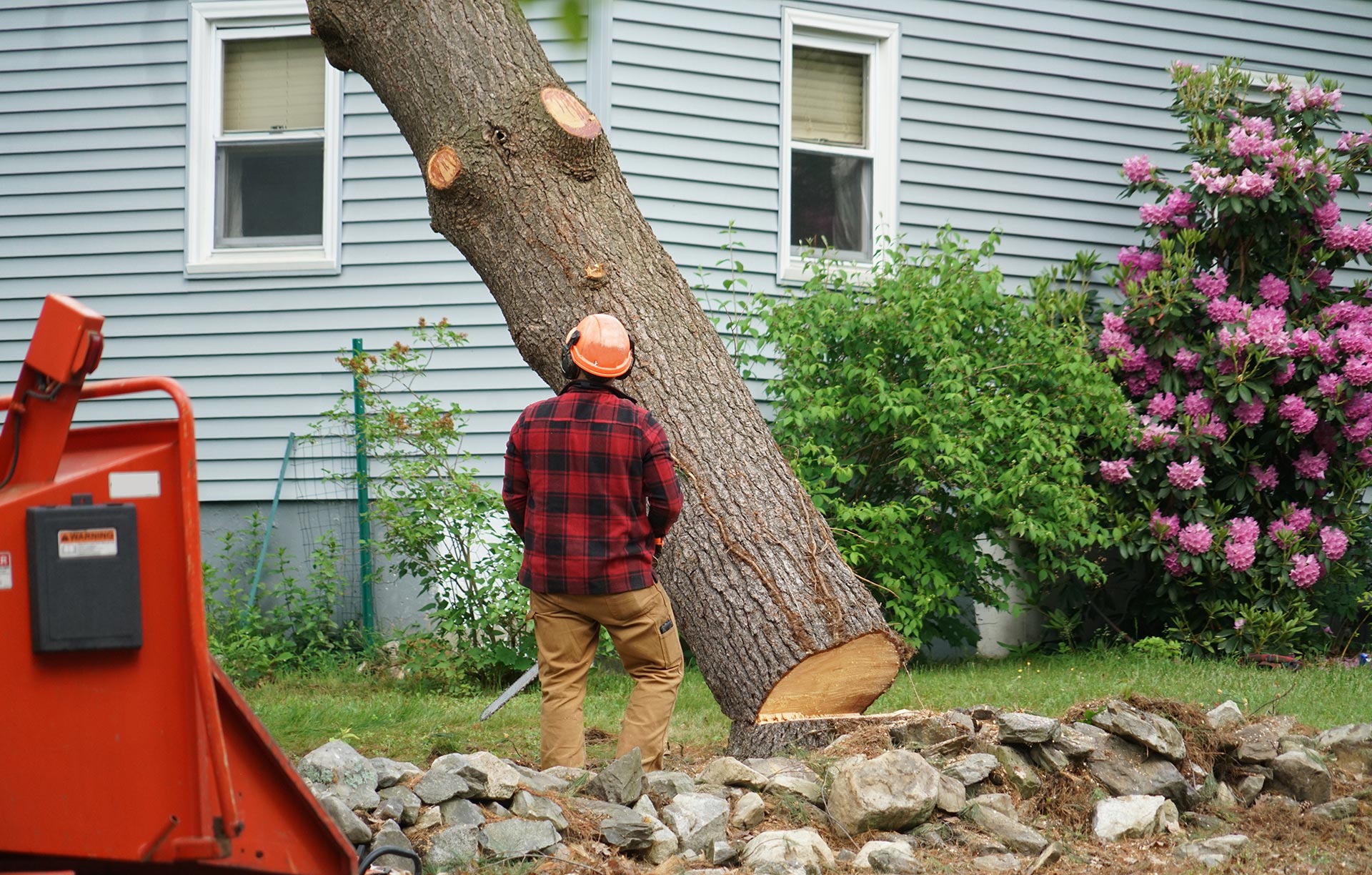
In the Des Moines metro, cottonwoods and silver maples are common for one simple reason: they grow fast and provide shade quickly. Early on, they can feel like a smart choice. Over time, though, the downsides tend to show up. Limbs start coming down in wind or ice, roots push up sidewalks and driveway edges, and the constant leaf and twig drop keeps gutters and yards in a steady cycle of cleanup. That’s why so many homeowners end up researching Des Moines tree removal after living with one of these fast-growing trees for a while. These trees are not automatically a problem, but their growth habit and structure make the same issues come up again and again, especially as they get larger.
Des Moines Tree Removal Decisions: Why Cottonwoods and Silver Maples Become Headaches
When people call about Des Moines tree removal, cottonwoods and silver maples come up frequently because they grow quickly but are prone to structural issues as they age. They also create constant debris, which is a big deal for busy homeowners who just want their yard to be manageable. In many neighborhoods around Des Moines, West Des Moines, Urbandale, Johnston, Ankeny, and Clive, these trees were planted years ago for fast shade.
Now, homeowners are dealing with the long-term trade-offs. The right choice is not always removal, but understanding the risks helps you decide whether trimming, monitoring, or full tree removal services make the most sense.
Why Fast Growth Often Means Weak Wood
Cottonwoods and silver maples are both known for their rapid growth. That speed is exactly what makes them appealing. It’s also what can make them unreliable in wind, ice, and heavy rain.
Fast-growing trees tend to have:
- Softer, weaker wood that breaks more easily
- More frequent deadwood as the tree outgrows its ability to support every limb
- Branch unions that split because the structure forms quickly and imperfectly
- Shallow or aggressive root behavior that competes with hardscape and plumbing
This matters in Iowa because severe weather is a regular part of the climate. Des Moines experiences strong winds, summer thunderstorms, and winter ice that can add substantial weight to limbs in a short period of time. A tree that appears stable most of the year can still fail under the stress of a single bad weather event.
Cottonwood Problems Homeowners Notice First
Cottonwoods are often loved and hated at the same time. They provide shade and can get big fast, but they have a few issues that repeatedly frustrate homeowners.
1. Limb drop and storm breakage
Cottonwood wood is relatively brittle. Large limbs can break with high wind, heavy snow, or ice. Even without a major storm, older cottonwoods can drop branches with little warning, especially when parts of the canopy start dying back.
2. Constant mess in the yard
Cottonwoods shed. They drop twigs, small branches, and large leaves. Then there is the cottony fluff, which can pile up in corners of a yard, clog downspouts, and find its way into every crevice of your patio.
3. Roots that create problems
Cottonwoods like water. That can mean roots seeking moisture near low spots, old clay tile lines, or areas near drains. Not every cottonwood will damage infrastructure, but the risk is enough that homeowners pay attention when they see sidewalk lifting or persistent damp areas.
4. Size that outgrows the space
A cottonwood planted in the wrong spot becomes a long-term liability. If it’s too close to a home, garage, or power lines, you can end up in a cycle of constant trimming and still feel like the risk is growing.
Silver Maple Problems That Build Over Time
Silver maples are a familiar sight in many older neighborhoods because they were often planted for quick, reliable shade. The issue is that when they are placed too close to a home, their size, branch structure, and root growth can create ongoing problems, which is why many homeowners wish they had chosen a different tree or a different location.
1. Weak branch structure
Silver maples often develop multiple trunks or tight branch angles. Those unions can split as the tree gets larger. If you’ve ever seen a silver maple that suddenly lost a large section of canopy, that’s often why.
2. Heavy surface roots
Silver maples are known for shallow roots that heave lawns, crack sidewalks, and create awkward mowing conditions. You might notice raised ridges in the yard, cracked concrete, or a driveway edge that no longer sits flush.
3. Rot and hidden decay
Older silver maples can develop cavities, internal decay, or rot that’s not obvious from the street. Homeowners often learn about it after a limb fails or after they notice mushrooms at the base or soft, punky wood around an old wound.
4. Debris and seed cleanup
Between leaves, twigs, and seed helicopters, silver maples can keep your yard and gutters busy. If you’re already spending weekends cleaning up after the tree, it’s normal to start asking whether it’s worth keeping long-term.
Removal vs. Trimming: How to Make a Practical Decision
Not every cottonwood or silver maple needs to come down. The more realistic question is whether your tree can be managed safely, or whether you’re one storm away from damage.
Removal becomes more likely when:
- The tree is leaning more each year, especially after storms
- You see large dead limbs or repeated limb loss
- There are cracks in major branches or splitting at the trunk
- Roots are lifting concrete or threatening structures
- The tree is too close to the home for comfort
- You’re dealing with persistent rot, cavities, or fungus
- You’re tired of the cleanup and the risk is not worth it
If the tree is structurally sound but messy, strategic trimming might help. If the structure is failing, trimming can become a temporary patch that still leaves you worried every time the weather turns.
For homeowners weighing options, it’s worth getting an assessment from a qualified tree professional. If removal is recommended, scheduling tree removal services before peak storm seasons can help you avoid emergency pricing and urgent damage situations.
What Happens After the Tree Co mes Down: The Cleanup Piece People Forget
Even after the removal work is done, the debris is often the part that lingers. Logs are heavy. Brush piles are larger than you think. Stacks of cut rounds can sit for months because disposal is a hassle.
This is where a local haul-away team can make the project feel complete. Richie Bros Junk Removal helps homeowners in the Des Moines metro handle the leftover mess after tree work, including hauling branches, logs, and yard debris so you’re not stuck with a pile you did not plan for.
A Simple Next Step for Des Moines Homeowners
If you’ve a cottonwood or silver maple that’s dropping limbs, lifting concrete, or making you nervous every time the wind picks up, you’re not overreacting. These are common issues, and many homeowners ultimately choose Des Moines tree removal once the risk outweighs the shade.
If you’re planning a removal or have debris to clear afterward, Richie Bros Junk Removal can help you clean up without turning it into a multi-weekend project. Reach out when you need it, and we will help you get your yard back to normal without making it feel like a big, chaotic production.