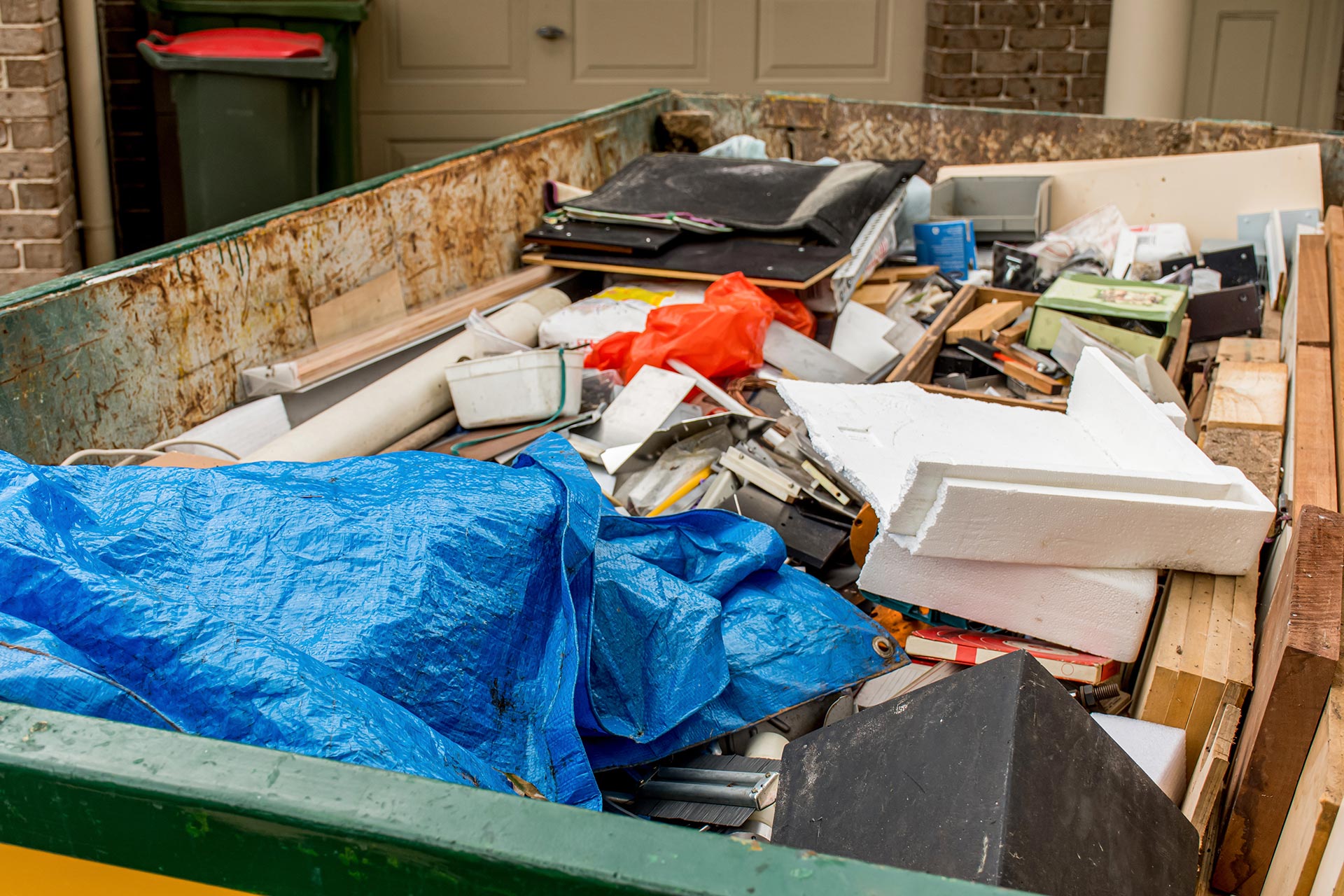
If you are planning a cleanout, the fastest way to avoid a frustrating pickup day is to know what a Des Moines junk removal crew can actually haul away. Most people assume “junk is junk,” but disposal rules are more specific than that. Some items are easy and routine, some require special handling, and a few are a hard no for nearly every company. This guide will help you sort your pile the right way, ask better questions when you book, and keep your Des Moines junk removal appointment smooth from start to finish.
What Des Moines Junk Removal Companies Can and Can’t Take (and Why it Matters)
In general, Des Moines junk removal companies can take most household clutter, furniture, and non-hazardous debris. The main limits come down to safety, legal disposal rules, and what local facilities will accept. If something is flammable, corrosive, toxic, pressurized, or contains regulated chemicals, it usually cannot ride in the truck with regular household junk.
Think of it like this: if it is safe to move, safe to transport, and can be disposed of through normal channels, it is probably acceptable. If it can leak, explode, ignite, or contaminate other materials, it is probably restricted.
Usually Accepted: The “Yes” Pile
These are the items most Des Moines junk removal providers handle every day:
Furniture and household items
- Couches, chairs, mattresses, box springs, bed frames
- Dressers, tables, bookshelves, desks
- Rugs, lamps, general household clutter, bagged trash
Appliances (often accepted, sometimes with conditions)
- Washers and dryers
- Stoves, ovens, microwaves
- Dishwashers and water heaters
Yard and exterior junk
- Branches and yard debris (typically bundled or bagged)
- Old patio furniture, grills (without propane tanks)
- Scrap lumber and fencing
- Tree removal, shrub removal or stump grinding
Non-hazardous renovation debris
- Drywall, trim, carpet, padding
- Old cabinets, countertops, doors
- Small amounts of tile and flooring materials
Electronics (commonly accepted for recycling)
- TVs, monitors, computers, printers
- Cables, small devices, entertainment equipment
Even in the “yes” category, companies may have practical boundaries. Extremely heavy items, piles that are loose and scattered, or debris with lots of sharp edges can require extra labor or preparation. The easiest cleanouts are the ones that are consolidated and clearly separated.
Sometimes Accepted: Items that Depend on the Company or Local Rules
These are common “maybe” items. They are often accepted, but you should ask when you schedule.
Refrigerators and freezers
Many haulers will take them, but they may require special recycling because of refrigerants. Some providers charge an additional fee or need confirmation that they can route it to the right facility.
Construction debris in large volumes
A few bags of drywall is usually fine. A full basement renovation worth of debris might require a different approach, multiple trips, or a dumpster.
Tires
Tires are frequently restricted by landfills and transfer stations. If accepted, there is often an added disposal fee.
Paint
Latex paint is sometimes accepted if it is fully dried out and sealed. Oil-based paint is more likely to be refused. When in doubt, treat paint as restricted and ask your Des Moines junk removal crew prior to pickup.
Concrete, bricks, and dirt
These are heavy and can overload a truck quickly. Some junk removal companies accept small quantities, but many will not take them at all unless the load is specifically arranged and priced for it.
Usually Not Accepted: The “No” Pile
Most junk removal companies avoid hauling hazardous materials because transport and disposal require special permits and safety procedures. The items below are commonly refused:
Chemicals and hazardous household waste
- Pesticides and herbicides
- Pool chemicals
- Strong solvents and thinners
- Automotive fluids like oil, gas, antifreeze, and brake fluid
Pressurized containers
- Propane tanks
- Oxygen tanks
- Large aerosol cans in bulk
Batteries and fuel
- Car batteries and large lithium battery packs
- Gasoline cans, fuel containers with residue
Medical and biohazard waste
- Sharps containers
- Medications and medical waste
- Anything contaminated with bodily fluids
Asbestos or suspected asbestos materials
If you have old insulation, duct wrap, or flooring you suspect might contain asbestos, do not handle it casually. Specialized removal is required.
If you are unsure about an item, assume it is restricted until a professional confirms otherwise. That one assumption can prevent a canceled pickup or a half-finished cleanout.
How to Prep Your Cleanout So Pickup Day is Simple
A little prep makes your appointment faster and often cheaper because crews can work more efficiently.
1. Sort Into Clear Categories
Make three areas if possible: “Take,” “Restricted,” and “Donate.” This keeps mistakes from happening in the truck.
2. Consolidate Small Items
Loose clutter slows everything down. Bag trash, box small items, and stack what you can safely stack. Keep pathways open.
3. Separate E-waste and Metal
Some companies route electronics and scrap metal to separate recycling streams. If you group these items together, it helps them handle the load correctly.
4. Empty Furniture and Appliances
Remove drawers, empty cabinets, and clear out refrigerators and freezers. It speeds up loading and avoids spills.
5. Set Aside Anything You Are Not 100% Sure About
Take a photo and ask when you book. Most problems on pickup day happen because one restricted item was mixed into the main pile.
Where to Take Restricted Items in the Des Moines Area
Even if your hauler can’t take certain materials, you still have options:
- Household hazardous waste: Many metro areas have drop-off programs for chemicals, paint, and automotive fluids. Search for Polk County’s household hazardous waste resources.
- Electronics recycling: Local e-waste recyclers and some retail programs accept TVs, computers, and batteries.
- Medication disposal: Pharmacies and designated drop boxes are the safest route.
- Propane tanks: Exchange programs and designated disposal sites are usually available.
If your cleanout includes multiple restricted categories, consider planning a separate drop-off run before your junk removal appointment. It makes the day of pickup much easier.
The Quick Checklist Before You Book
Before you schedule Des Moines junk removal, run through this list:
- Do I have any chemicals, paint, propane tanks, or automotive fluids mixed into the pile?
- Are electronics and metal separated?
- Are heavy materials like concrete or dirt part of the load?
- Is everything consolidated so it can be loaded efficiently?
- Do I have photos of any questionable items to share?
When you know what can and can’t be taken, you get a cleaner pickup, fewer surprises, and a faster reset of your space.