
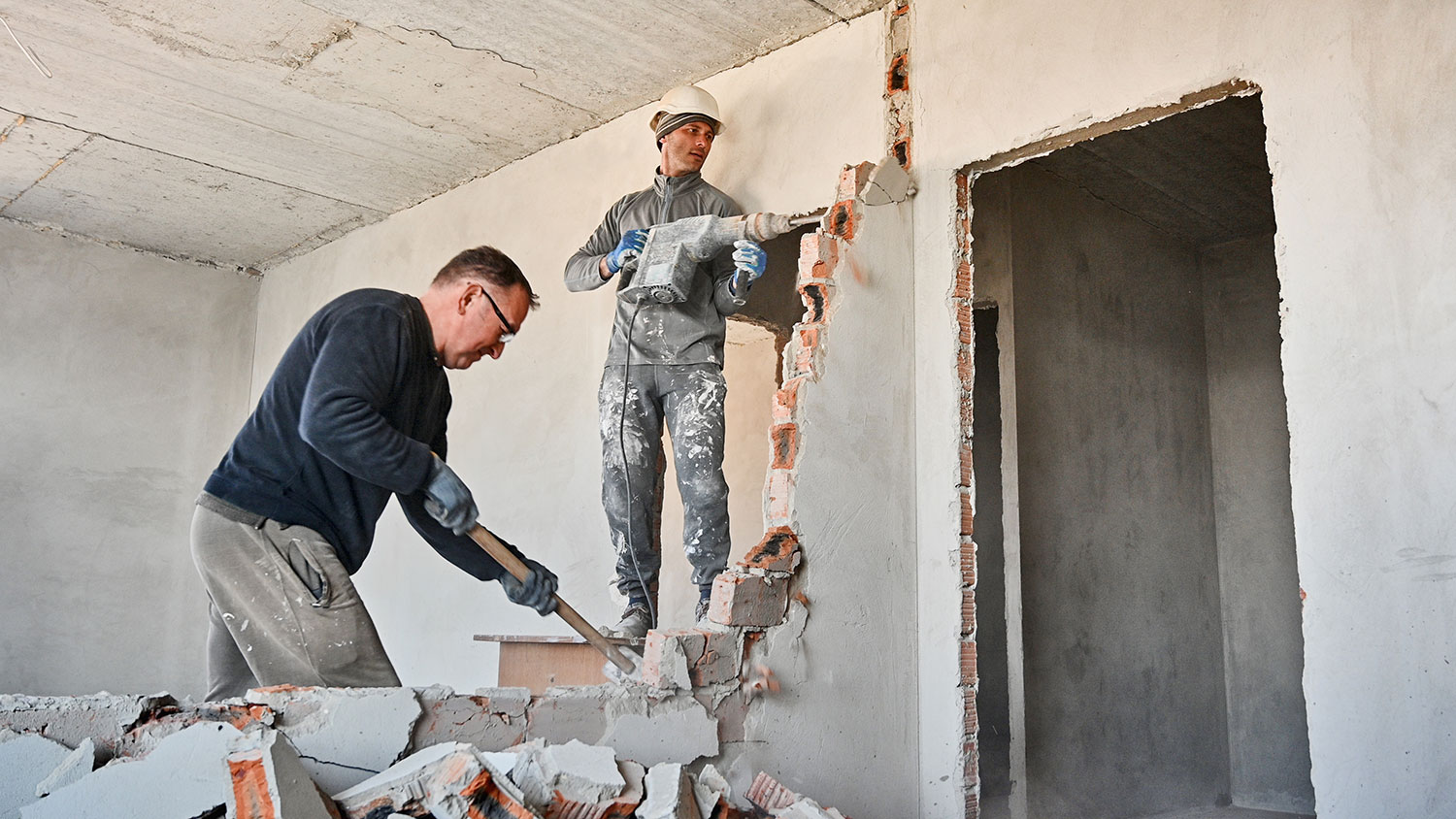
If you are staring at a wall and imagining an open-concept kitchen, a bigger living room, or a better flow through your home, you are not alone. Before you start swinging a hammer, though, you need to answer one question first: Is the wall load-bearing or non-load-bearing? That decision impacts safety, cost, permits, and the cleanup plan, including Des Moines junk removal for all the drywall, framing, and debris that adds up faster than most homeowners expect.
Des Moines Junk Removal Starts With Knowing What Kind Of Wall You Have
The smartest remodels in Des Moines begin with a clear plan, and Des Moines junk removal is an integral part of that plan from day one. Wall removal creates more material than most people anticipate, including drywall, studs, insulation, nails, and trim. If the wall is load-bearing, you may also be dealing with temporary supports, engineered beams, and heavier debris.
Knowing what you have helps you budget properly, protect your home, and schedule the right help, whether you need carpentry support, an engineer, or light demolition services to remove materials cleanly and haul everything away.
Non-Load-Bearing vs. Load-Bearing Walls: What Is The Difference?
A non-load-bearing wall is essentially a divider. It separates spaces, supports drywall, and provides a place for electrical wiring or plumbing in some cases, but it does not hold up the structure above it. Removing a non-load-bearing wall can still be messy and time-consuming, but it is typically straightforward when utilities are not involved.
A load-bearing wall, on the other hand, carries weight from the roof, upper floors, or ceiling structure and transfers that load down to the foundation. Removing a load-bearing wall without proper support can lead to sagging ceilings, cracked drywall, sticking doors, and, in worst cases, structural failure. If the wall is load-bearing, the correct approach typically involves installing a new beam or header, posts, and proper connections, often designed or verified by a qualified professional.
Quick Clues You Can Check Before You Make Plans
You cannot confirm load-bearing status with a single clue, but you can gather useful evidence that helps you decide your next step.
1. Look at the direction of the floor or ceiling joists. If the wall runs perpendicular to joists above it, there is a higher chance that it is load-bearing. If it runs parallel, it may be non-load-bearing, but that is not guaranteed.
2. Check what is directly below. A load path is often stacked. If there is a wall, beam, or support in the basement or on the floor below in the same location, the wall you want to remove may be part of that support system.
3. Look for a “central” wall. In many homes, especially in older Des Moines neighborhoods with traditional layouts, a wall near the center of the home may help carry loads. Exterior walls are almost always load-bearing, but interior walls can be as well.
4. Watch for openings and headers. Doorways in load-bearing walls often have larger headers and more framing around them. Again, this is a clue, not a verdict.
5. Consider what is inside the wall. If the wall contains plumbing stacks, HVAC returns, or critical electrical runs, removal becomes more complex regardless of whether it carries structural load.
Why Guessing Is Risky in Des Moines Homes
Des Moines has a wide mix of housing types, from older homes with multiple remodel phases to newer builds where trusses and engineered systems change how loads are distributed. Past renovations can also complicate the picture. A wall that “looks” non-structural might have been modified to support an earlier change, or a beam could be hidden where you cannot see it.
There is also the material risk. If your home was built decades ago, you may encounter lead-based paint or other materials that require careful handling. Even when the project is small, demolition dust spreads quickly and can become a major cleanup problem without containment. This is one reason many homeowners prefer professional light demolition services that include dust control, safe removal, and a haul-away plan.
The Right Way To Confirm: Who To Call and What To Ask
If you want confidence, there are three practical routes:
- A structural professional can assess load-bearing status and recommend a beam size or support method when needed.
- A qualified remodeling contractor can evaluate framing, utilities, and the construction approach, often working with engineering support for load-bearing changes.
- Your local permitting office can clarify whether permits are required for structural changes. Requirements can vary based on scope and property details, so it is best to confirm before the demo begins.
If you are unsure, treat the wall as load-bearing until proven otherwise. That mindset prevents expensive mistakes and helps you plan the project the right way the first time.
If You Remove The Wall, Plan For More Than Just Studs and Drywall
Even a “simple” wall removal tends to expand once you open it up. Common surprises include:
- Electrical wiring that needs to be rerouted and brought up to code
- HVAC ducting or returns hidden inside the wall
- Plumbing vents or supply lines that cannot be easily moved
- Uneven flooring where the wall used to sit
- Ceiling texture changes and patching requirements
This is where planning matters. It is also where pairing demolition with Des Moines junk removal makes the project feel manageable instead of overwhelming. Debris piles up quickly, and a clean work area reduces trip hazards and keeps the remodel moving.
What To Do With The Debris: The Part Most People Underestimate
Wall removal debris is bulky, sharp, and dusty. Drywall breaks into heavy chunks, studs have nails, and trim tends to splinter. Many homeowners start with the best intentions and then get stuck with a garage full of debris and no easy way to dispose of it.
A professional haul-away plan can include sorting materials, loading everything efficiently, and keeping your driveway and yard from becoming a long-term staging area. If you are remodeling in the Des Moines metro, you also want a team that understands local disposal expectations and can remove debris responsibly, including recycling when appropriate.
Richie Bros Junk Removal can support projects from start to finish, whether you already removed a non-load-bearing wall or you need light demolition services to help with the tear-out. We handle the heavy lifting, the loading, and the clean haul-away so you can focus on your rebuilding project.
Need Help With Demo Debris? Call Richie Bros
If you are planning a wall removal and want a safer, cleaner process, Richie Bros Junk Removal is ready to help with Des Moines junk removal for remodeling debris, drywall, studs, and trim. If you want a hands-off option, ask about our light demolition services for small interior tear-outs and removal projects. Reach out today and let us help you keep your remodel on schedule, your space clean, and your debris handled the right way.